
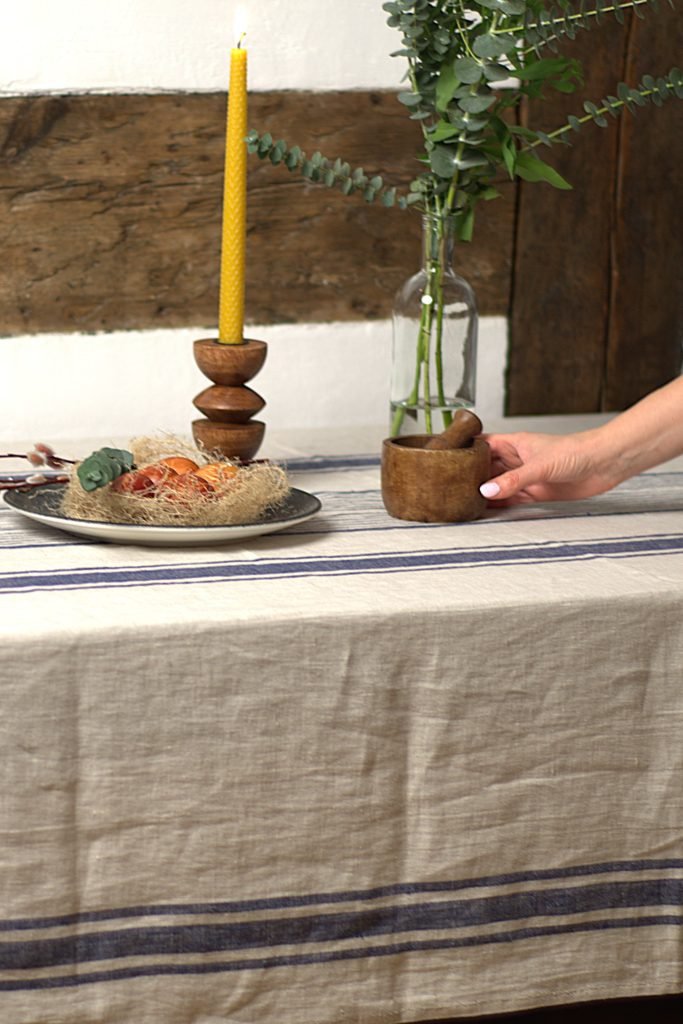
Let’s be real—nobody wants to wrestle with a tablecloth that’s too small (hello, awkward gaps) or drown their table in fabric like it’s a Victorian ghost. Choosing the right tablecloth size shouldn’t feel like solving a geometry problem. So, grab a coffee, and let’s break this down like you’re texting a friend for help.
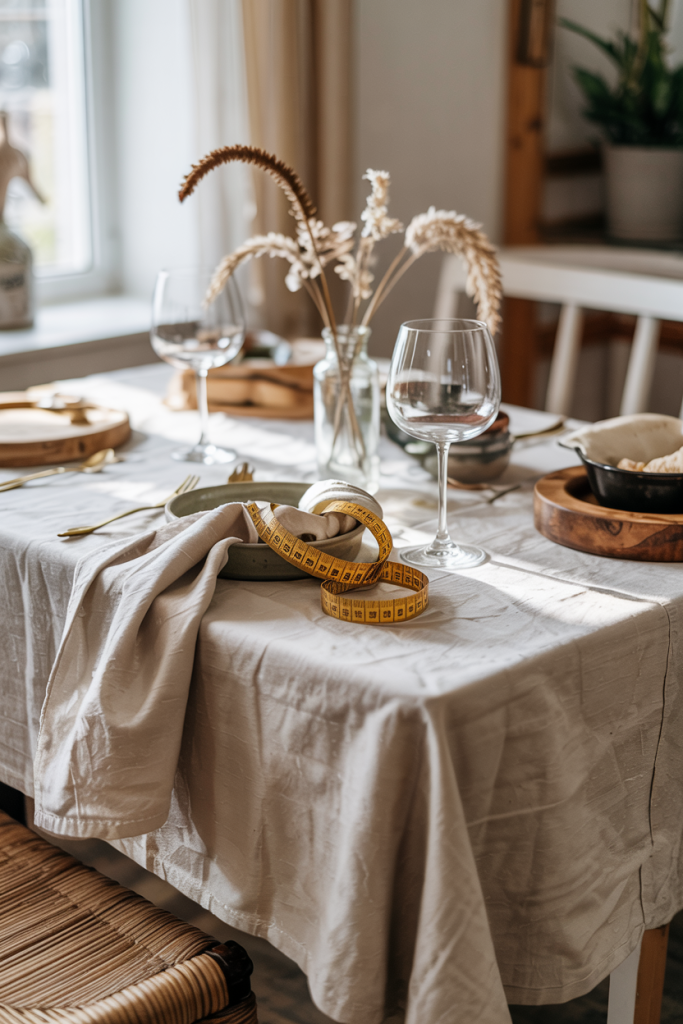
Why Tablecloth Size Actually Matters
Ever showed up to a dinner where the tablecloth barely covered half the table? Yeah, not a vibe. The right size:
- Makes your table look intentionally stylish (not like you raided a bargain bin).
- Prevents “floating plate syndrome” (where dishes hover over exposed table edges).
- Saves you from tripping on excess fabric (unless you’re going for a dramatic entrance).
Pro tip: A well-sized tablecloth is like a good pair of jeans—fits snug where it should, drapes gracefully, and doesn’t leave anything to the imagination.
Step 1: Measure Your Table (Yes, Really)
Grab a tape measure. No eyeballing—unless you enjoy the “oops, it’s a topper now” look.
For Rectangular Tables:
- Length/Width: Measure top to bottom, edge to edge.
- Drop Length: Decide how much fabric you want hanging:
- Standard (12-15 inches): Casual dinners, kid-friendly (hides stains).
- Formal (30 inches): Fancy events (think: Pinterest-worthy floor grazing).
For Round Tables:
- Diameter: Measure across the center.
- Drop Length: Same rules apply, but aim for even draping (no lopsided sad-cloth).
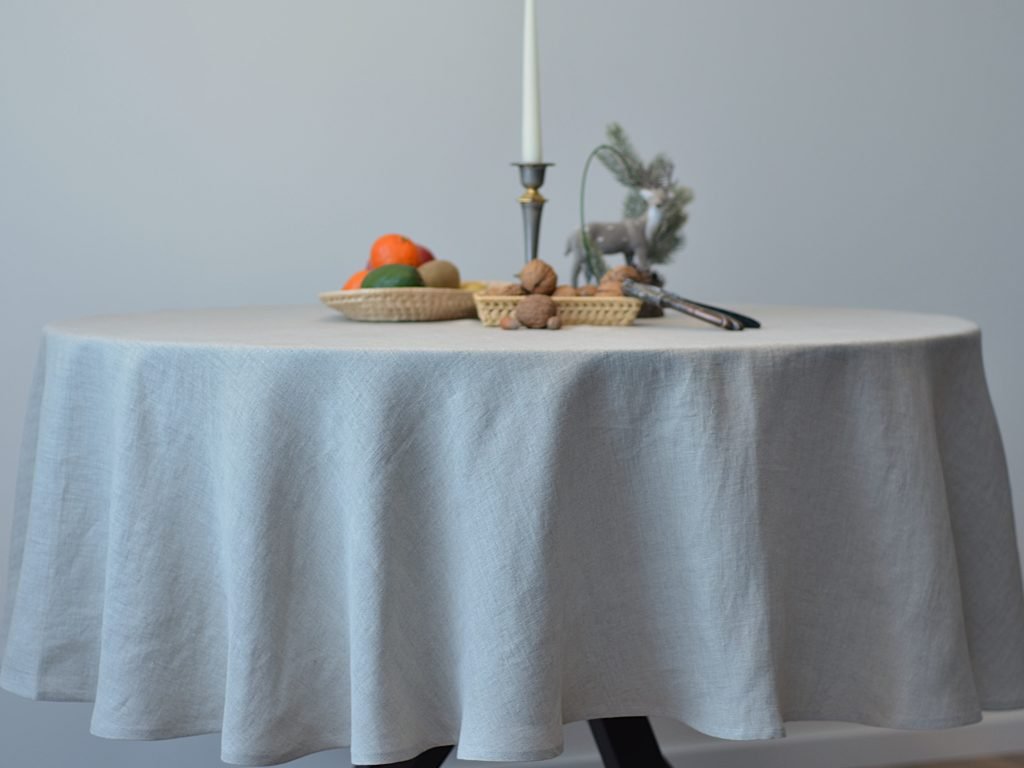
FYI: For a 60-inch round table with a 15-inch drop, you’d need a 90-inch round tablecloth (60 + 15 + 15). Math, but make it pretty.
Step 2: Pick Your Drop Style
Casual (Short Drop)
- 12-15 inches: Perfect for brunch or messy taco nights.
- Pros: Less fabric to wash, budget-friendly.
- Cons: Zero drama (fine if you’re not extra).
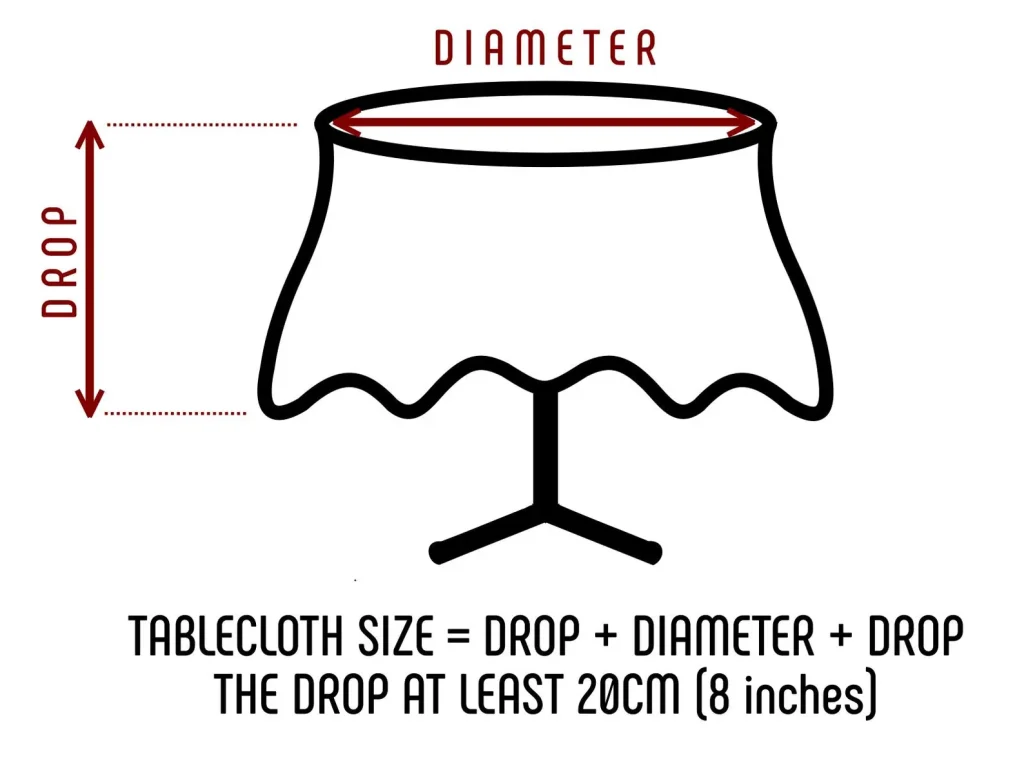
Formal (Long Drop)
- 30 inches: Ideal for weddings or when you want guests to whisper, “Who’s their decorator?”
- Pros: Instantly elevates the table.
- Cons: Tripping hazard for tipsy uncles.
IMO: Split the difference with an 18-inch drop—classy but not overkill.
Step 3: Fabric Matters (No, Really)
- Linen: Wrinkles = ~charm~. Runs large, so account for shrinkage.
- Polyester: Stays put but lacks ~je ne sais quoi~.
- Cotton: Middle ground. Washes well, but ironing? Ugh.
Hot take: Linen’s wrinkles tell a story. Polyester’s perfection tells me you’re avoiding laundry.
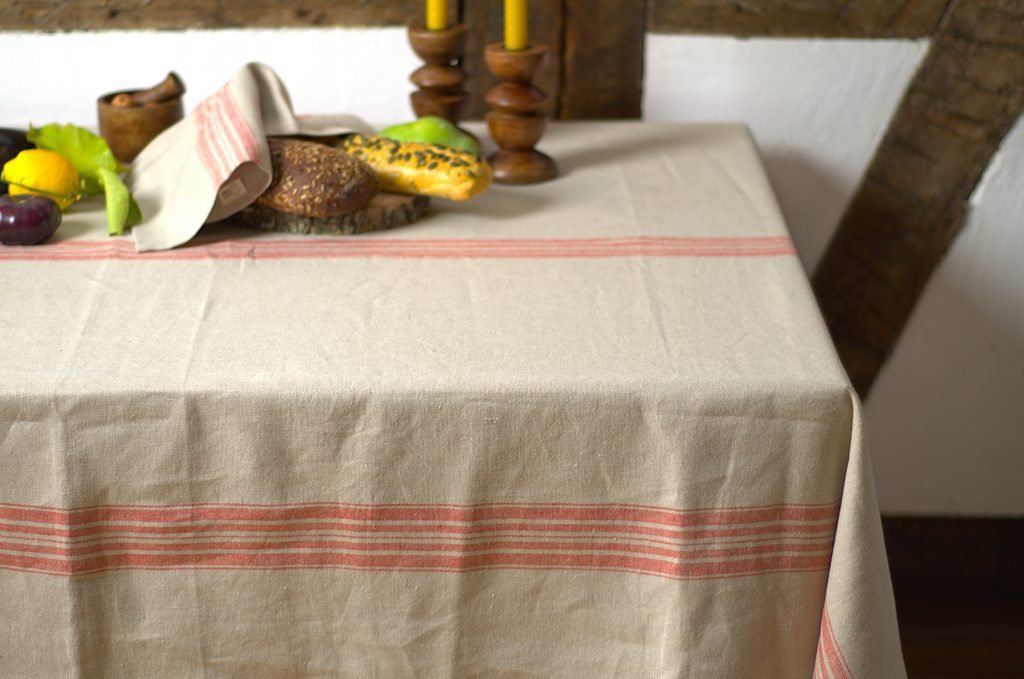
Step 4: Shape-Specific Hacks
Oval Tables
- Buy a rectangular tablecloth 1.5x longer than your table.
- Tuck excess fabric under the ends (or embrace the “flowy art piece” aesthetic).
Square Tables
- Match the drop length on all sides unless you’re into avant-garde asymmetry.
Kid Tables
- Short drop (10 inches): Because tiny humans are messy tornadoes.
Step 5: When in Doubt, Go Bigger
Too small = sad picnic vibes. Too big? Tuck, fold, or bribe a crafty friend to hem it.
Pro hack: Use a tablecloth clip (or a chip bag clip, we won’t judge) to manage excess fabric.
Final Thought: Your Table, Your Rules
Look, if you want a tablecloth that brushes the floor like a bridal train, go for it. If you’d rather spend your time cooking than ironing, grab a washable polyester one. The “right” size is whatever makes you not curse while setting the table.
Now go forth and drape confidently. And if you mess up? Call it ~abstract decor~ and pour more wine. 🍷
Need a cheat sheet? Here’s a quick table (because who doesn’t love visuals?):
| Table Type | Standard Size | Ideal Drop Length |
|---|---|---|
| Rectangular (6-seater) | 60×84 inches | 12-30 inches |
| Round (60-inch diameter) | 90 inches | 15-30 inches |
| Kid’s Table | 36 inches | 10 inches |

